

You're looking to stock pet toys for your retail operation or resale business. The good news: buying pet toys wholesale in bulk is straightforward once you know what to look for, which suppliers to contact, and which product types move fastest.
Here's the direct answer: chew toys, ropes, squeakers, balls, and plush toys dominate the wholesale pet toy market. Prices range from $0.79 to $365.99 per unit depending on quality and type. Most bulk orders require a minimum purchase, and reputable suppliers will negotiate pricing based on your order volume.
Related: Best Dog Harness Wholesale Bulk Orders for Resellers
Related: Best Affordable Wholesale Suppliers US 2026: Top 5 Ranked
Related: Best Wholesale Pet Accessories & Toys 2026: Top 5 Ranked
Related: Best Anti-Snoring Strips for Bulk: Affordable Relief
In this article
- Why Buy Pet Toys Wholesale?
- What Product Types Sell Best in Bulk?
- How to Find Reliable Wholesale Pet Toy Suppliers
- Understanding Wholesale Pricing and Minimums
- Sourcing for Different Customer Segments
- Quality Assurance and Safety Standards
- Negotiating Better Bulk Pricing
- Setting Up Your Wholesale Pet Toy Operation
- Storing and Managing Bulk Pet Toy Inventory
- Shipping and Logistics Considerations
- Common Mistakes to Avoid
- People Also Ask
Why Buy Pet Toys Wholesale?
If you're running an e-commerce store, stocking a physical retail location, or supplying animal shelters and rescues, wholesale pet toys give you the margin you need to compete.
Buying retail and reselling won't cut it. You'll get crushed on price. Wholesale lets you buy at 50-70% below retail prices, giving you room to mark up and still undercut competitors.
Animal shelters and rescue organizations also benefit from bulk wholesale pricing. Donating or selling toys at lower costs improves animal welfare while keeping your nonprofit's budget in check.
What Product Types Sell Best in Bulk?
Not all pet toys perform equally in the wholesale market. Focus your inventory on these categories:
- Chew Toys - Expected to capture roughly 36% of global pet toy demand in 2026. Dogs love durable chews made from nylon and rubber. These are your bread and butter.
- Ropes and Tug Toys - Affordable to manufacture and ship. Great margin. Dogs use them for solo play and interactive play with owners.
- Squeaky Toys - Higher perceived value. Pets engage longer. Slightly higher cost but customers will pay more.
- Balls - Simple, low-cost, high-volume sellers. Stock multiple sizes.
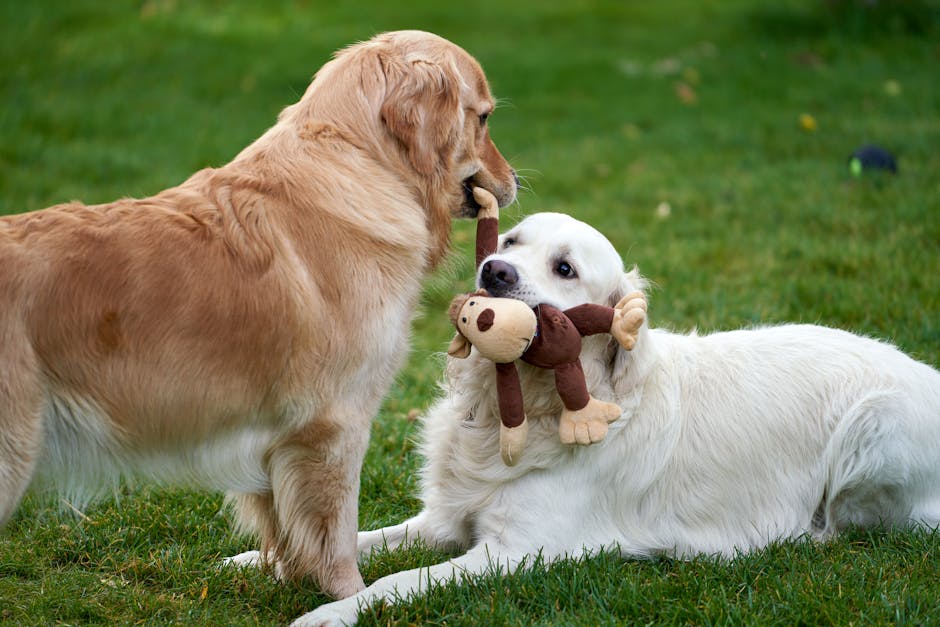
- Plush and Stuffed Toys - Appeal to pet owners who want soft, cuddly options for their dogs and cats. Slightly lower durability than rubber toys.
The strategy? Don't bet everything on one type. Offer a mix. Different customer segments have different preferences, and a diverse inventory keeps customers coming back.
How to Find Reliable Wholesale Pet Toy Suppliers
Your supplier choice makes or breaks your business. You need quality assurance, consistent inventory, and reasonable minimum order quantities.
Major wholesale pet toy suppliers include Boss PetEdge/PetEdge Dealer Services, bulk wholesale suppliers, and quality wholesale pet goods suppliers. Call them directly. Ask about minimum orders, pricing tiers, lead times, and return policies.
When evaluating a supplier, check for certifications, customer reviews, and whether they've been in business for at least 3-5 years. You want someone stable who won't disappear mid-season.
Webbasedwholesaleproducts.com also connects small to mid-sized businesses with vetted wholesale suppliers across multiple categories, including pet products. The platform streamlines supplier comparison and helps you negotiate bulk pricing without managing dozens of supplier relationships manually.
Understanding Wholesale Pricing and Minimums
Wholesale pet toy pricing depends on material, design, and order volume. Basic rubber balls might cost you $0.79 per unit in bulk. Premium interactive toys or durable chews could run $15-$50 per unit.
Most suppliers enforce minimum order quantities (MOQs). A typical MOQ might be 100-500 units per product type, or a minimum dollar spend of $500-$2,000 per order. Larger orders unlock better per-unit pricing.
Pro tip: Don't assume the supplier's first quote is final. If you're committing to regular orders or higher volumes, negotiate. Many suppliers will lower their price 10-20% if you commit to monthly or quarterly purchases.
Factor in shipping, tariffs (if importing), and your storage costs when calculating true cost. A cheap toy that costs $3 to ship per unit is more expensive than a slightly pricier toy with lower freight costs.
Sourcing for Different Customer Segments
Your target customer affects which toys you should stock. Let's break it down:
E-commerce Retailers - You need variety and competitive pricing. Stock 20-30 SKUs across all categories. Focus on mid-range toys ($5-$25 retail). These hit the sweet spot for repeat purchases.
Physical Pet Supply Stores - Emphasize durability and brand recognition. Customers will examine toys in person, so quality matters more than sheer volume. Stock premium lines alongside budget options.
Animal Shelters and Rescues - Price is critical. Focus on budget-friendly, durable chew toys and balls. These facilities burn through inventory fast and have tight budgets. Volume discounts on basic toys are your best value proposition.
Corporate Resellers - If you're supplying other retailers, offer curated assortments and custom packaging. Develop relationships with 3-5 core suppliers so you can guarantee consistent stock.
Quality Assurance and Safety Standards
Never skip quality checks. Defective toys damage your reputation and risk pet safety.
Require suppliers to certify compliance with safety standards. In the US, toys should meet ASTM standards for toy safety. Ask suppliers for test reports and certificates. Check for hazardous materials, sharp edges, and small parts that could choke pets.
Request samples before placing large orders. Test them yourself. Are the seams solid? Does the squeaker stay intact? Can a 30-pound dog destroy it in one hour (if durability is claimed)?
Pet toy safety matters, so understanding basic quality and material standards protects both your customers and your business.
Negotiating Better Bulk Pricing
You have leverage. Use it.
If you're ordering 1,000+ units per month, you're a valuable customer. Suppliers want volume. Come prepared with data: your sales projections, order frequency, and commitment timeline.
Ask for tiered pricing. "If I order 500 units monthly, what's my per-unit cost? What if I commit to 1,000?" Suppliers often offer discounts at volume thresholds (100 units, 500 units, 1,000+ units).
Negotiate payment terms too. Net-30 or Net-60 terms let you sell inventory before paying the supplier. This improves cash flow for growing businesses.
Build relationships. Suppliers reward loyal customers with better pricing, priority production, and first access to new products. Be professional, pay on time, and give feedback. Good suppliers remember that.
Setting Up Your Wholesale Pet Toy Operation
Once you've identified suppliers, create a simple sourcing workflow:
- Step 1: Define your target market (e-commerce, retail, shelters, corporate resellers).
- Step 2: Research 5-10 suppliers. Request catalogs and MOQ information.
- Step 3: Request samples from your top 3 choices. Test quality.
- Step 4: Negotiate pricing based on your order volume and commitment.
- Step 5: Start with a small test order. Order 1-2 MOQ from one supplier.
- Step 6: Track sales, gather customer feedback, and refine your product mix.
- Step 7: Scale up with suppliers that deliver consistent quality and competitive pricing.
Don't try to work with 10 suppliers at once. Start with 2-3. Once you've mastered their systems and verified quality, expand.
Webbasedwholesaleproducts.com can simplify this process by aggregating multiple suppliers in one dashboard, so you're comparing pricing and options without endless phone calls.
Related: Best Quality Wholesale Products Online for Bulk Buyers
Storing and Managing Bulk Pet Toy Inventory

Bulk buying means bulk storage. Plan accordingly.
Pet toys don't spoil like food, but they do take up space. Calculate your monthly sales velocity and order accordingly. If you sell 500 toys monthly, ordering 2,000 at a time means 4 months of inventory. That ties up cash and warehouse space.
Start smaller. Order 1-2 months of inventory until you understand demand. Once you have sales data, increase order sizes to hit better pricing tiers.
Organize by category and reorder point. When inventory hits 25% of stock, place a new order. This prevents stockouts while avoiding excess inventory.
Shipping and Logistics Considerations
Wholesale toys are bulky. Shipping costs matter.
Ask suppliers about shipping included in bulk pricing or separate shipping charges. Some offer free shipping at certain order thresholds. Others charge by weight or volume.
Compare landed cost, not just per-unit price. A $2 toy with $1 shipping is more expensive than a $2.50 toy with free shipping above a certain order level.
If you're reselling online, factor shipping costs into your margin calculations. A toy that costs $3 total (product + inbound shipping) needs to wholesale at $6-$9 to your retail customers so you maintain healthy margins after outbound shipping and fulfillment costs.
Common Mistakes to Avoid
Mistake 1: Chasing the Cheapest Price - The lowest-priced supplier often has quality issues. You'll get returns, negative reviews, and lost customers. Pay a little more for reliability.
Mistake 2: Over-Ordering - Don't fill your warehouse with toys that won't sell. Start small. Scale based on demand.
Mistake 3: Ignoring Supplier Communication - If your supplier is hard to reach or slow to respond, move on. You need reliable communication.
Mistake 4: Skipping Quality Checks - Always request and test samples. One batch of defective toys can tank your reputation.
Mistake 5: Forgetting About Market Trends - Pet toy trends shift. Interactive toys, eco-friendly materials, and tech-enabled toys are growing. Stay informed.
People Also Ask
What's the best wholesale price for pet toys?
Wholesale prices range from $0.79 to $365.99 per unit. Basic toys (balls, ropes) cost $0.79-$3.00. Mid-range toys (squeakers, durable chews) run $3.00-$15.00. Premium interactive toys cost $15.00-$365.99. Your actual price depends on your order volume, supplier, and product quality. Larger orders unlock lower per-unit pricing.
How much inventory should I buy as a new reseller?
Start with 2-4 weeks of estimated sales. If you project selling 200 toys per week, order 400-800 units. This lets you test demand without over-committing capital. Once you understand your sales velocity, increase to 4-8 weeks of inventory to hit better bulk pricing.
Do wholesale suppliers offer return policies?
It varies. Most wholesale suppliers have 30-day return windows for defective goods, but not for standard returns. Always clarify return and exchange policies before ordering. Damaged goods in transit are usually the supplier's responsibility if they provide insurance.
Can I buy pet toys wholesale without a business license?
Technically, some suppliers will work with individuals, but most prefer registered businesses. Having a business license and tax ID makes negotiations easier and often unlocks better pricing. It also protects you legally if you're reselling. Check with your local government on how to register a business in your area.