

If you're stocking office supplies for multiple locations or reselling to small businesses, you already know that buying shredders one unit at a time eats into your margin. The good news: wholesale office shredders with bulk pricing exist, and they're designed to handle high-volume document destruction without breaking your budget.
When you buy shredders in bulk through Webbasedwholesaleproducts.com, you unlock access to tiered pricing that drops your per-unit cost significantly. This guide walks you through the specs you need to know, the models that perform best, and how to negotiate the best bulk deal for your operation.
Related: Printed Hoodies Wholesale for Resellers: Bulk Pricing & Models
In this article
- Why Sheet Capacity Matters for Your Bulk Purchase
- Cross-Cut Security: What Your Clients Actually Need
- Bin Size and Daily Workflow Impact
- How to Negotiate Wholesale Office Shredder Bulk Pricing
- Evaluating Noise and Durability for Resale Confidence
- Building Your Bulk Inventory Strategy
- Placing Your Order and Negotiating Payment Terms
Why Sheet Capacity Matters for Your Bulk Purchase
The first question isn't always about price. It's about capacity. Your customers will judge your shredder recommendation based on how often they need to empty the bin and how many sheets it handles in one go.
Standard office models handle between 12 and 20 sheets per pass. The Fellowes Powershred 99Ci, for example, processes up to 18 sheets at a time with a 9-gallon bin capacity. That means an employee can shred a stack of papers without standing there feeding one sheet at a time.
If you're buying wholesale for corporate offices or legal firms, higher capacity models pay for themselves through employee time savings. The BONSEN Paper Shredder reaches 20 sheets per pass, ideal for busy offices that generate constant paper flow throughout the day.
When you're sourcing wholesale office shredders, ask your supplier for capacity specs on each model. A 20-sheet machine might cost 15-20% more per unit, but bulk pricing often levels that gap, and your resale margin improves because you can sell it as a premium option.
Related: Best Competitive Wholesale Pricing Office Supplies 2026: Top 5 Ranked
Cross-Cut Security: What Your Clients Actually Need
Document sensitivity varies wildly. A dental office shredding patient records faces different security requirements than a general retail location recycling old receipts.
Cross-cut shredders (also called micro-cut) slice paper into tiny fragments, making reconstruction nearly impossible. They're slower than strip-cut models and cost more upfront, but they're non-negotiable for healthcare, legal, and financial services.
Standard strip-cut shredders work fine for general office waste, marketing materials, and internal memos. The trade-off: faster operation, lower cost, and larger bins. But if a client handles sensitive data, cross-cut is the only acceptable option.
When negotiating bulk pricing with Webbasedwholesaleproducts.com, ask if they offer both types at different price tiers. Your wholesale supplier should have entry-level strip-cut models for price-conscious buyers and premium cross-cut machines for clients who prioritize security.
Bin Size and Daily Workflow Impact
A 9-gallon bin sounds spacious until you're emptying it three times a day. A 15 or 20-gallon bin dramatically reduces labor costs in high-volume environments.
Larger bins also signal quality to your customers. They expect a commercial-grade shredder to have substantial storage. When you quote a model with a robust bin size, your resale price justifies itself instantly.
Commercial-grade shredder systems can reach processing volumes of up to 15 tons per hour in industrial settings, though that level is overkill for most office purchases. For the bulk market you're targeting, focus on shredders with bin capacities of 9 gallons or higher and models rated for continuous daily use.
How to Negotiate Wholesale Office Shredder Bulk Pricing
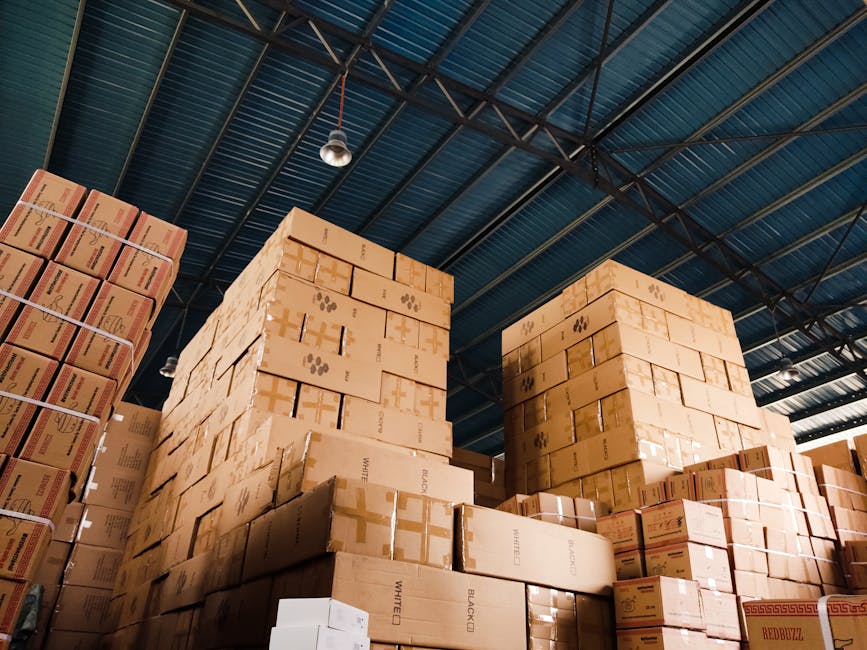
Volume discounts are standard in the office equipment wholesale space. Here's how to structure your bulk purchase:
- Order 10+ units and expect 10-15% discount per shredder
- Order 25+ units and push for 20-25% below retail
- Order 50+ units and request bundled pricing on accessories (bags, oil, replacement bins)
Don't just ask for a lower price. Ask if your supplier offers tiered pricing structures, free accessories with larger orders, or extended warranty terms. Sometimes the best deal isn't a percentage off the shredder itself but rather free replacement parts or complimentary shipping.
When you reach out to your wholesale partner, provide a purchase timeline. If you're committing to 30 units this quarter and another 30 next quarter, that's 60 units total. Most suppliers will beat their standard bulk rate if they know repeat business is coming.
Evaluating Noise and Durability for Resale Confidence
An office shredder that sounds like a chainsaw gets complaints. Noise levels matter when machines run all day in shared workspaces.
Most quality models operate between 70-80 decibels, roughly equivalent to a vacuum cleaner. Anything above 85 dB becomes intrusive and tires employees out over time. When comparing models for bulk purchase, check the manufacturer's noise rating. Your customers will appreciate your attention to this detail.
Durability directly impacts your reputation. A shredder that jams frequently or breaks down within two years becomes a customer service nightmare and threatens repeat business. Stick with established brands that have published testing data and consumer reviews backing their reliability claims.
Building Your Bulk Inventory Strategy
Mix your bulk order. Don't buy 50 of the same model. A smart wholesale strategy includes entry-level strip-cut shredders for price-sensitive buyers, mid-range cross-cut models for small-to-medium businesses, and premium options for clients who demand speed plus security.
This approach maximizes your margin and gives you flexibility. When a customer calls with specific needs (18-sheet capacity, 9-gallon bin, cross-cut security, quiet operation), you have a solution ready. That responsiveness builds loyalty.
Request wholesale pricing from your supplier on accessories too: replacement bags, shredder oil, and waste bin liners. These items have high margins and keep customers returning to you for supplies even after the initial purchase.
When you're ready to place your bulk order, ensure your supplier provides documentation for each model: spec sheets, warranty terms, and maintenance requirements. This information becomes your sales toolkit. Customers feel confident buying from someone who knows their product inside out.
Placing Your Order and Negotiating Payment Terms

Bulk purchases sometimes qualify for extended payment terms. If you're ordering $10,000+ in shredders, ask for net-30 or net-60 terms instead of paying upfront. This improves your cash flow, especially if you're reselling units within 2-3 weeks.
Confirm shipping costs early. Shredders are heavy. A 25-unit order can add $500-$1,000 to your total depending on destination. Some wholesale suppliers offer free shipping at certain order thresholds. Make sure that's factored into your bulk pricing negotiation.
Start your search for wholesale office shredders with bulk pricing by connecting with established suppliers who specialize in B2B office equipment. Webbasedwholesaleproducts.com maintains relationships with vetted manufacturers and can provide quotes tailored to your volume and timeline.
What sheet capacity should I order for most small businesses?
Most small offices (10-20 employees) are comfortable with 12-18 sheet capacity. This speed is fast enough for daily workflows without being overkill. Larger firms or document-heavy operations prefer 20-sheet models. Order a mix to cover different customer profiles.
Is cross-cut always worth the premium when buying wholesale?
Not always. If you're primarily serving general retail or administrative offices, strip-cut models deliver better margins because they're faster, cheaper, and meet average security needs. Reserve cross-cut purchases for specific customers in regulated industries. This strategy optimizes your inventory cost.
How do I know if a wholesale shredder will last 5+ years?
Check the manufacturer's rated duty cycle (how many sheets per day it's designed to handle) and look for models with commercial-grade components. Brands tested by independent reviewers for durability tend to perform better long-term. Always ask your supplier for warranty terms and return policies before committing to bulk orders.
Can I negotiate better pricing if I commit to repeat orders?
Absolutely. Tell your supplier you're planning quarterly purchases. Most wholesale partners will lock in a preferred rate and may offer volume incentives that improve with each order. Loyalty discounts are common in B2B wholesale, and your consistency directly influences pricing.